

Principal Investigator
:
Dr hab. Barbara Kutryb-Zając, Professor at the Medical University of Gdańsk
Medical University of Gdańsk
Panel: NZ4
Funding scheme
: OPUS 26
announced on
18 September 2023
Cardiovascular diseases, particularly heart failure (HF), are the leading causes of death in developed countries. An increasing body of evidence indicates that one of the key, yet still insufficiently understood, mechanisms underlying their development is vascular endothelial dysfunction, which often emerges at a very early, preclinical stage of the disease. Endothelial cells, lining the lumen of all blood vessels and constituting an almost exclusive structural component of the microcirculation, form a highly metabolically and signalling-active layer that regulates vascular tone, blood flow, haemostasis, inflammatory response and the exchange of oxygen and metabolites within tissues. Disruption of these functions primarily leads to microvascular impairment, resulting in insufficient tissue supply of nutrients, intensification of oxidative stress and inflammation and consequently initiating pathological processes that drive the progression of heart failure.
 Device for the non-invasive assessment of peripheral microcirculatory function. Photo: Paweł Sudara
Microvascular endothelial dysfunction is currently recognised as a functional precursor to later structural changes in larger vessels, including the atherosclerotic process, and as an important factor determining the course of heart failure regardless of disease aetiology. Loss of the endothelium’s capacity to properly regulate vasodilation, counteract the development of inflammatory and oxidative processes, and support cardiomyocyte metabolism leads to progressively increasing organ dysfunction even before visible anatomical changes occur within the vascular system. For this reason, understanding the mechanisms regulating endothelial function, particularly at the level of the microcirculation, is of fundamental importance not only for elucidating the pathogenesis of heart failure but also for developing strategies for early diagnosis and therapeutic interventions capable of halting or reversing disease progression at the preclinical stage.
Research conducted within the framework of the project includes both analyses carried out in patients with chronic heart failure and mechanistic studies employing experimental in vitro and in vivo models. The project focuses on the role of endothelial cell mitochondria in regulating microcirculatory function and on the assessment of mitochondrial mechanisms of action of sodium-glucose cotransporter inhibitors (SGLT2i, the so-called flozins) in the vascular endothelium. Such an approach enables the direct linking of observed physiological effects with processes occurring at the subcellular and molecular levels.
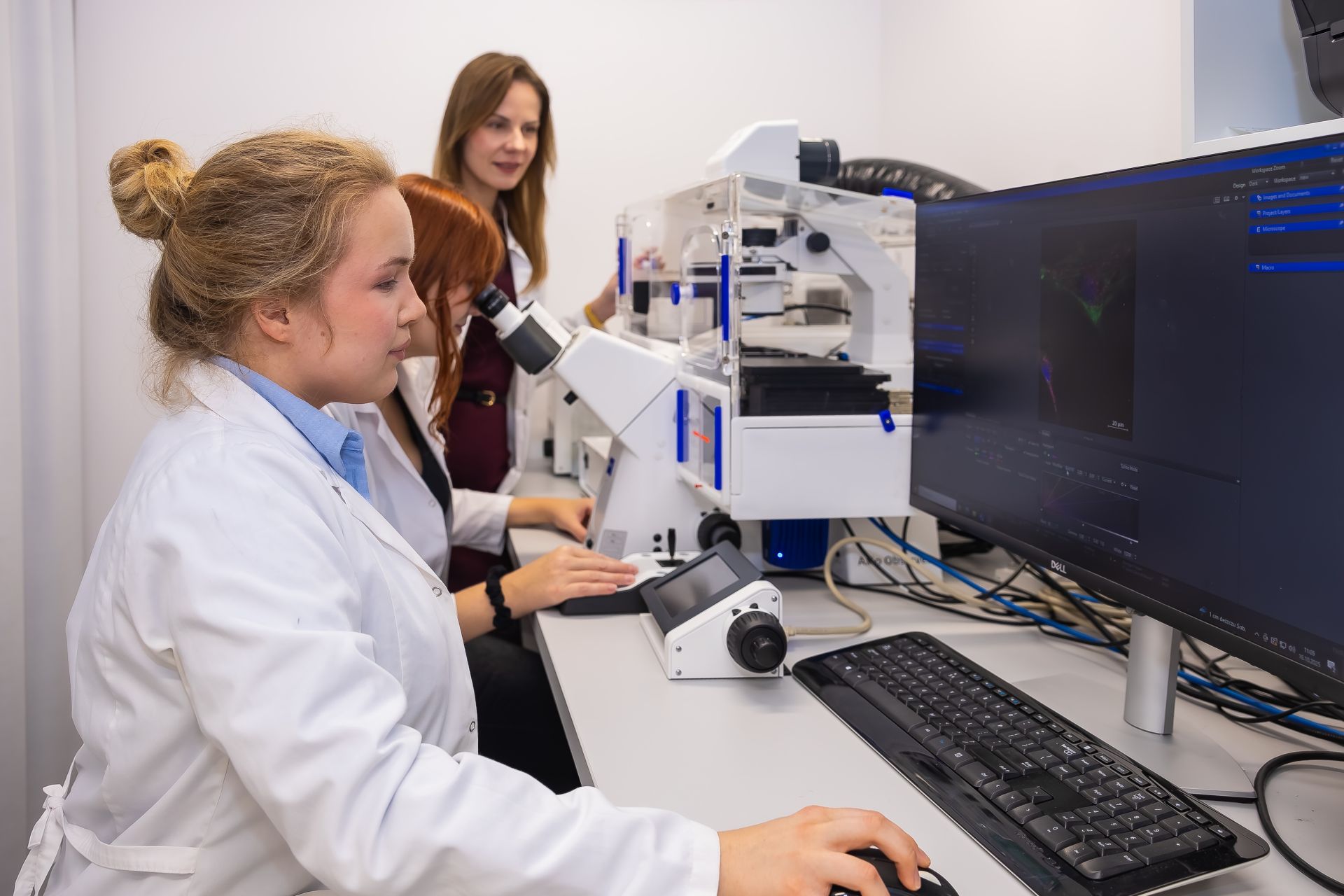 From left: Iga Walczak, MSc; Roksana Knapczyk, MSc; and Barbara Kutryb-Zając, Habilitated Doctor in Medical Sciences, Professor at the Medical University of Gdańsk, during intravital imaging of mitochondria in endothelial cells.
Photo: Paweł Sudara
The application of modern research methods, such as intravital recording of NADH fluorescence in the human epidermis as a test for assessing vascular endothelial activity and the associated efficiency of the microcirculation, combined with the analysis of circulating markers of mitochondrial dysfunction, oxidative stress and inflammation, allows for the integration of data obtained from experimental models and studies in cardiology patients. This approach facilitates the translation of basic knowledge in the context of physiology and pathophysiology while preserving the fundamental character of the research.
The project involves an interdisciplinary team of researchers representing biochemistry, cell biology, physiology, clinical cardiology and diagnostic imaging. Such a team structure enables a multilevel analysis of the problem of endothelial dysfunction - from molecular and mitochondrial mechanisms, through metabolic and vascular consequences, to their manifestation under clinical conditions.
The project is carried out in close collaboration among units of the Medical University of Gdańsk, including the Department and Division of Biochemistry, the Department and Division of Cardiac Diagnostics, and the Centre of Experimental Cardiooncology. Furthermore, as part of the consortium, scientists from the Centre of Postgraduate Medical Education and the University of Gdańsk are involved in the research, further strengthening the project’s research potential.
The results obtained to date have provided important insights into the role of mitochondria in regulating vascular endothelial function and have enabled the identification of new molecular mechanisms relevant to the pathogenesis of heart failure. Pleiotropic effects of flozins on mitochondrial respiration and the metabolic plasticity of endothelial cells have been demonstrated. At a later stage of the project, the development of a non-invasive diagnostic approach is planned, based on the complementary analysis of peripheral microcirculatory function and the metabolomic characterisation of the endothelium, which will enable earlier detection and monitoring of cardiovascular disorders.
The project represents an example of innovative basic research with high translational potential, in which the integration of competencies from the biomedical and clinical sciences provides a foundation for a better understanding of the mechanisms of cardiovascular diseases and for the identification of new directions in the development of diagnostics and therapy.
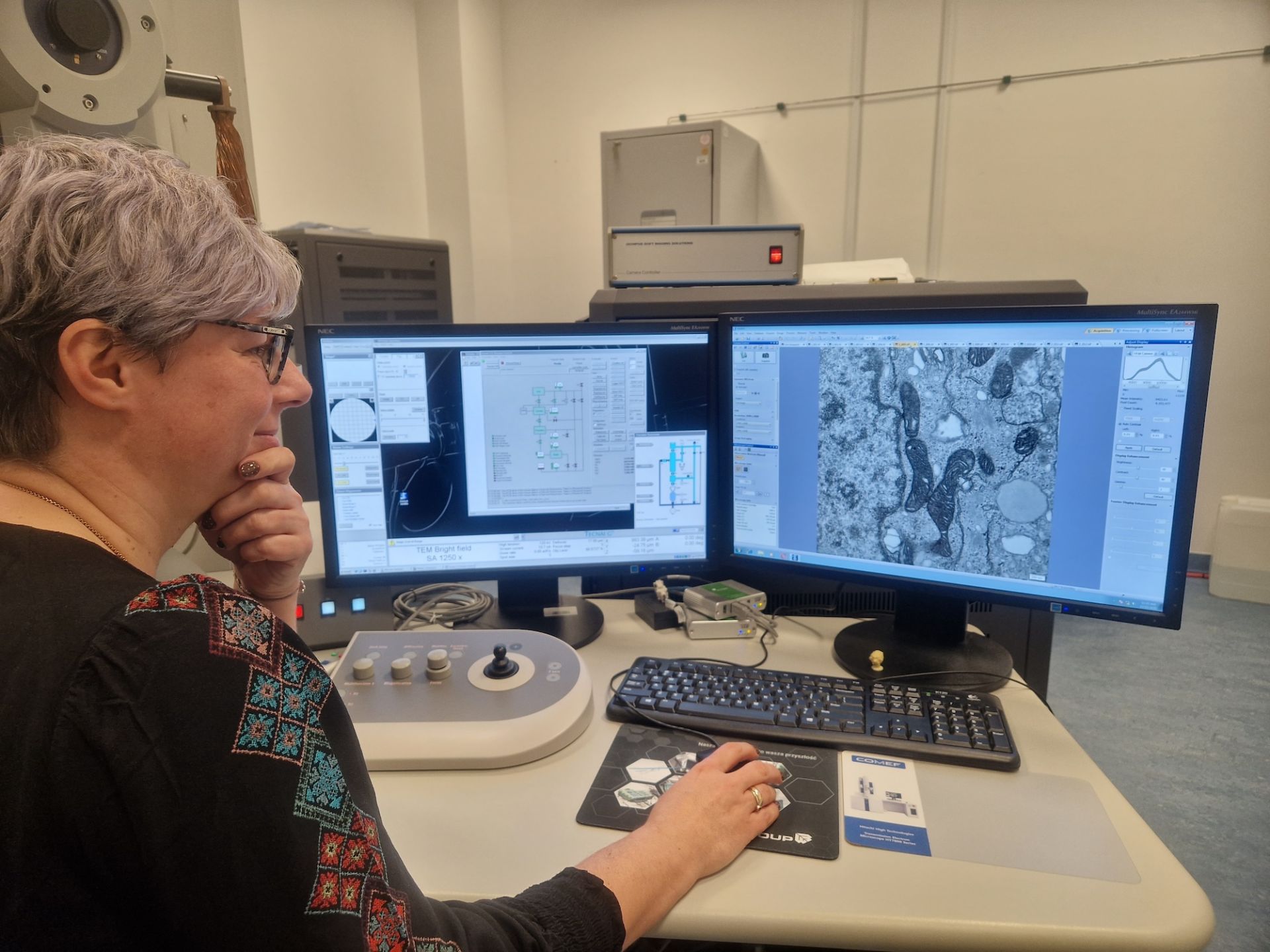 Magdalena Narajczyk, Habilitated Doctor in Biological Sciences, Professor at the University of Gdańsk, during the analysis of mitochondrial morphology in endothelial cells using transmission electron microscopy. Photo: Małgorzata Kapusta
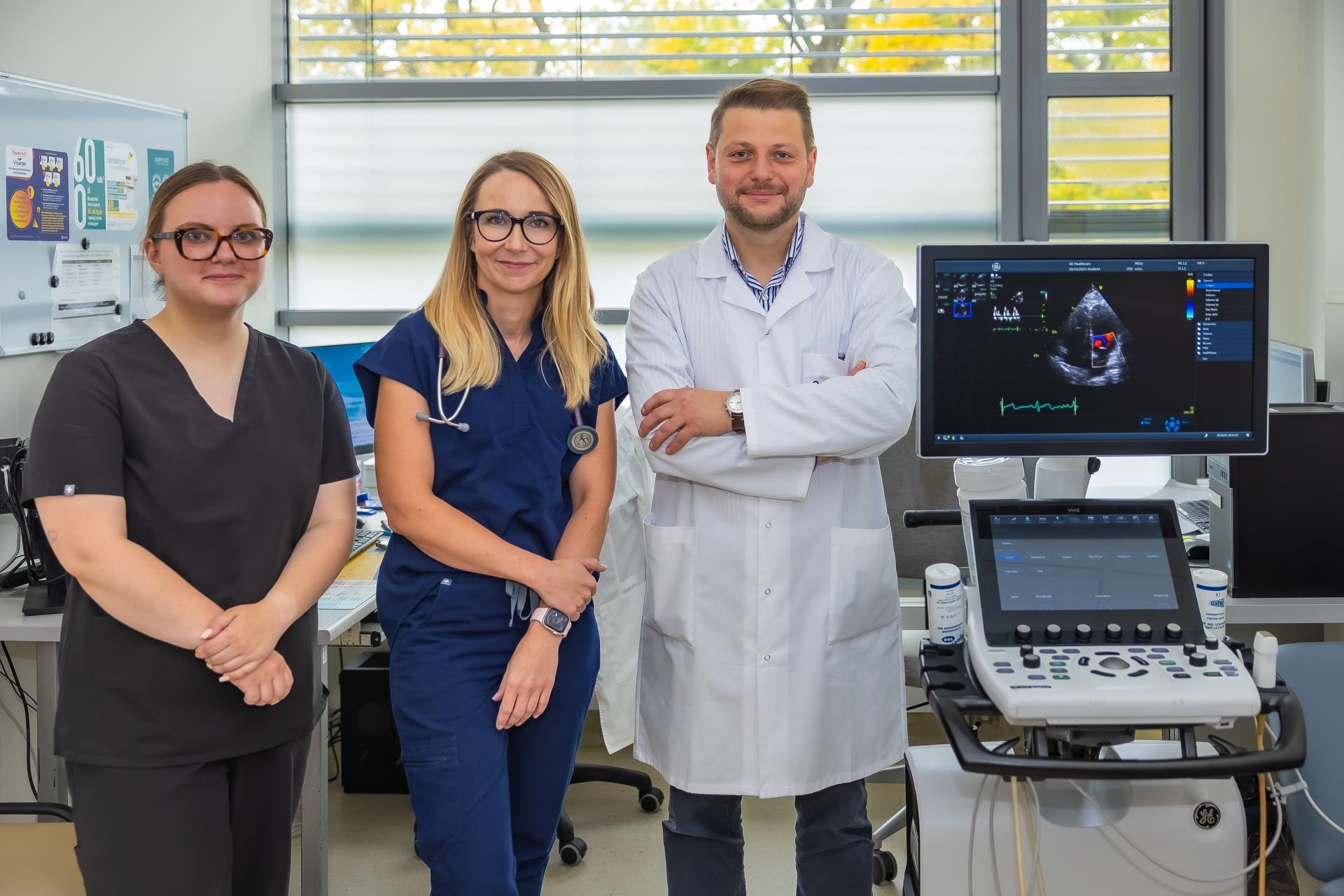 From left: Aleksandra Parzuchowska, MSc; Maria Tarnawska, PhD; and Marcin Hellmann, Professor of Medical Sciences, conducting analyses in patients with chronic heart failure. Photo: Paweł Sudara
Project title: Mitochondrial Targets of Flozins in Endothelial Cells – A New Approach to the Prevention, Diagnosis, and Therapy of Heart Failure
Dr hab. Barbara Kutryb-Zając, Professor at the Medical University of Gdańsk
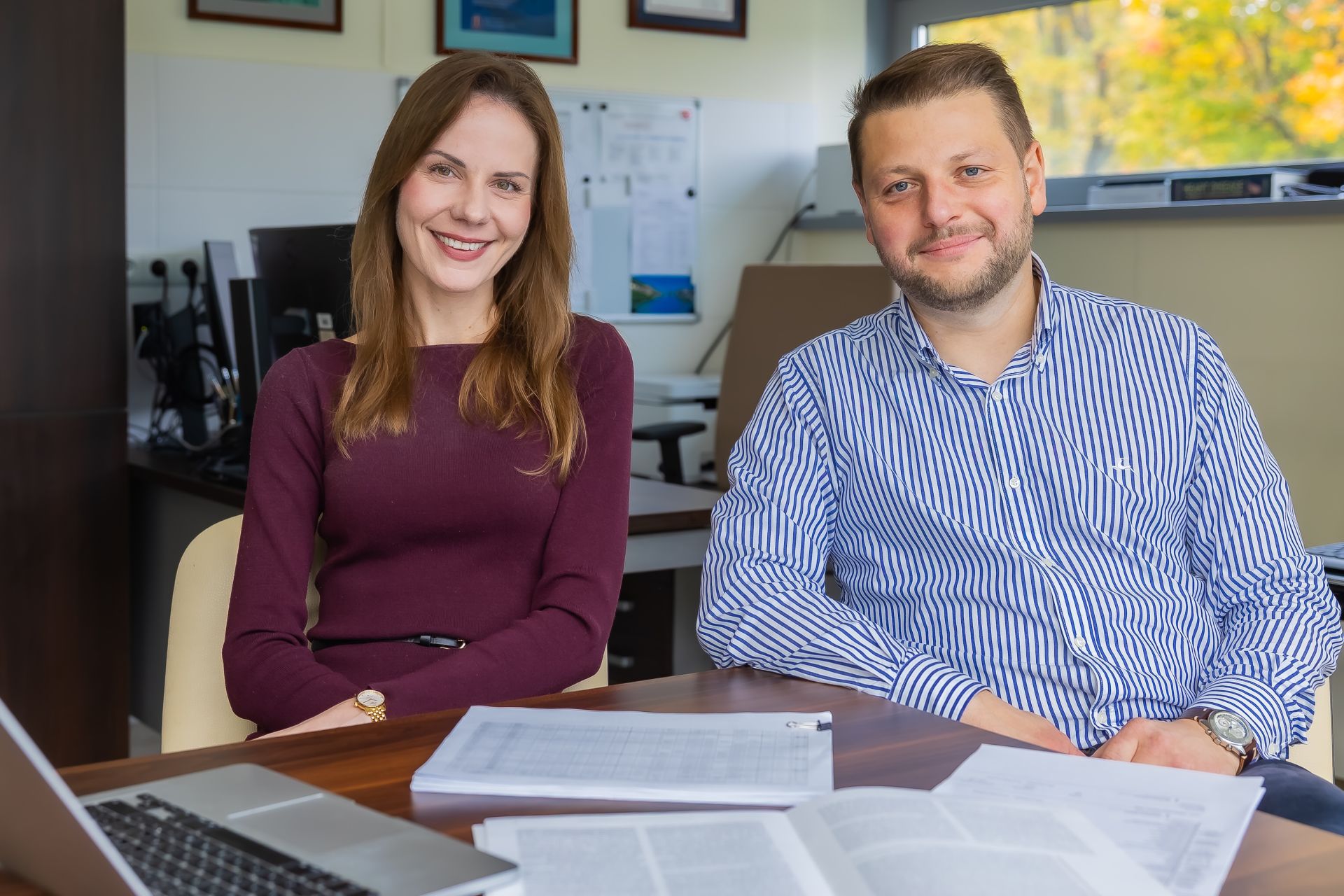
In the photograph: Barbara Kutryb-Zając, Habilitated Doctor in Medical Sciences, Professor at the Medical University of Gdańsk, Principal Investigator, and Marcin Hellmann, Professor of Medical Sciences, leader of the clinical component of the project. Photo: Paweł Sudara
Dr hab. Barbara Kutryb-Zając, Professor at the Medical University of Gdańsk
Habilitated Doctor of Medical Sciences, university professor at the Faculty of Medicine of the Medical University of Gdańsk and coordinator of the university’s Centre of Experimental Cardiooncology. Employed at the Department and Division of Biochemistry of the Medical University of Gdańsk since 2018. Recipient of the Witold Drabikowski Award for the best doctoral dissertation in biochemistry (2017). Principal Investigator of research projects: Preludium (2016–2019) and Sonata (2020–2025). Recipient of a scientific grant from the Polish Cardiac Society (2025). Her research focuses on the mechanisms of vascular endothelial dysfunction, with particular emphasis on the pathophysiology of the cardiovascular system and issues at the interface of cardiology and oncology.
Marcin Hellmann, Professor of Medical Sciences
Professor of Medical Sciences, cardiology specialist, Head of the Department and Division of Cardiac Diagnostics at the Medical University of Gdańsk. Specialises in research on the microcirculation. Graduate of the Master of Science programme (cardiovascular and metabolic regulations) at Claude Bernard University in Lyon, France (2011). Completed a postdoctoral fellowship at the INSERM research centre at the University of Grenoble, France (2014–2015). Three-time recipient of scholarships from the French Government and the Foundation for Polish Science. Recipient of the Jan Uphagen Scientific Award of the City of Gdańsk for young scientists (2015) and the scholarship of the Minister of Science and Higher Education for outstanding young scientists (2016–2019).
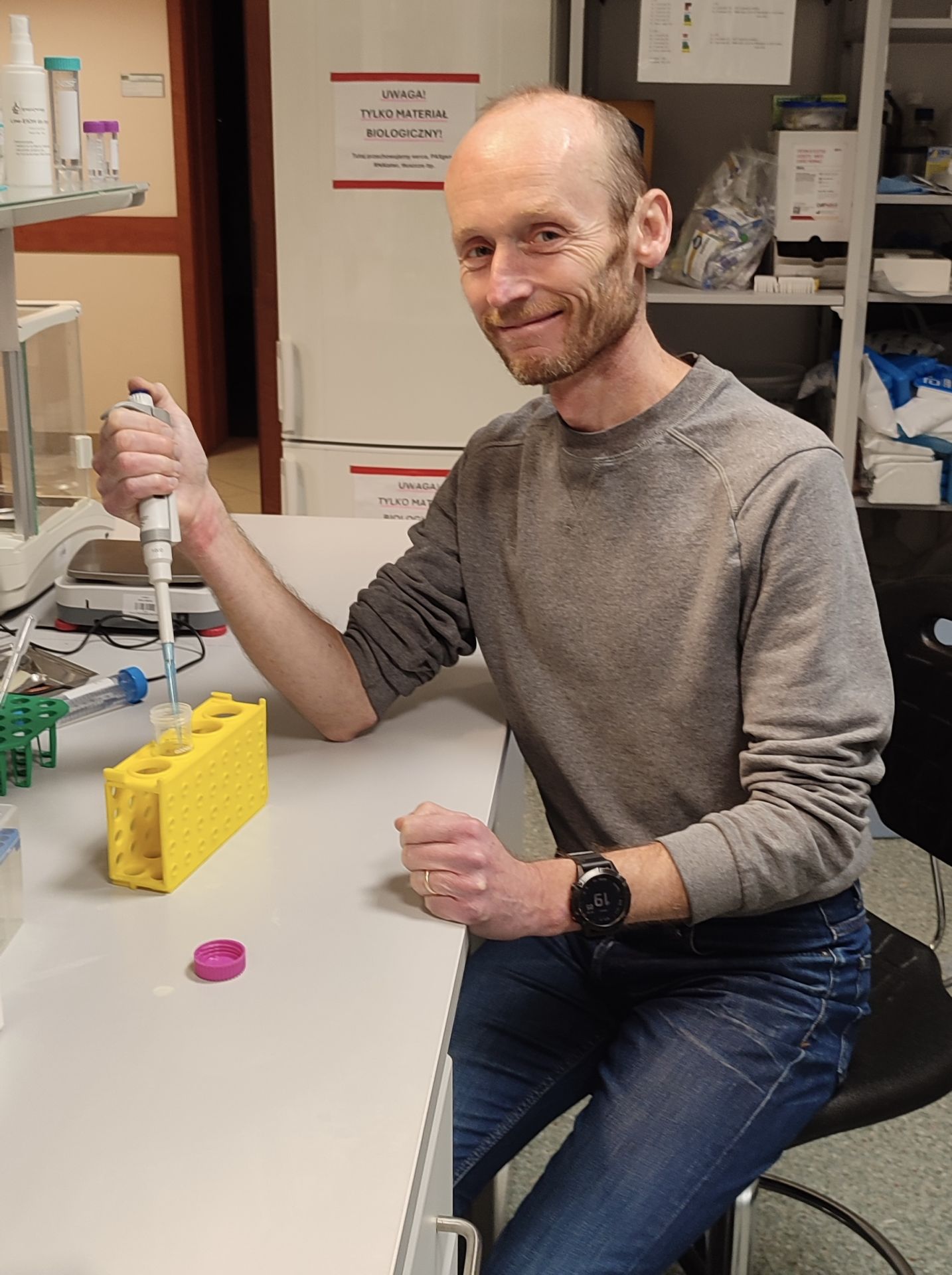 Michał Mączewski, Habilitated Doctor in Medical Sciences, Professor at the Centre of Postgraduate Medical Education
University professor, Head of the Department of Clinical Physiology at the Centre of Postgraduate Medical Education. His research focuses on the mechanisms of arrhythmias and the pathophysiology of heart failure. Conducts experimental studies using animal models as well as translational and clinical research on atherosclerosis and ischaemic disease, carried out in cooperation with numerous scientific centres.
Photo: Aleksandra Paterek
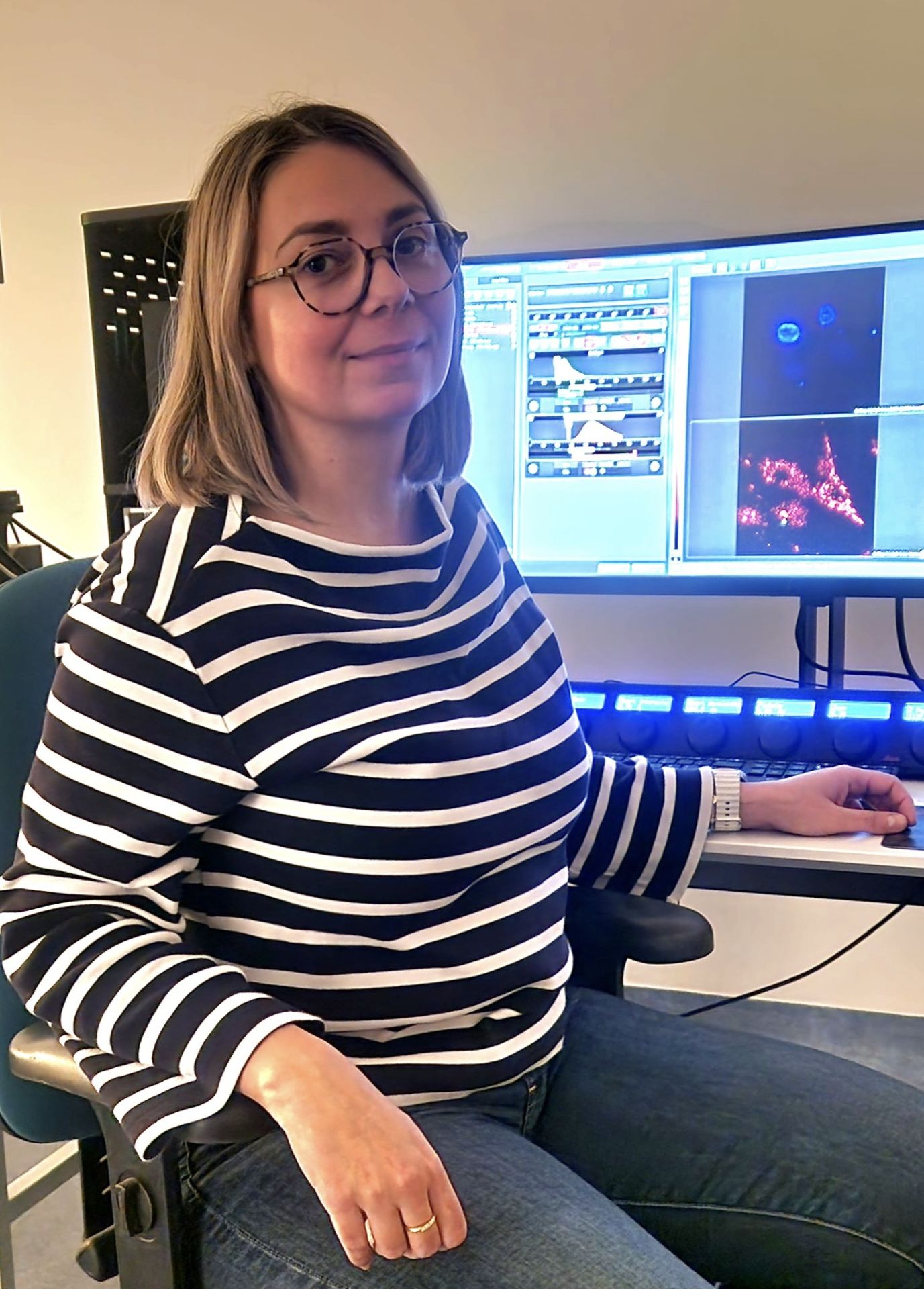 Małgorzata Kapusta, PhD
Doctor of Biological Sciences, conducts research at the Bioimaging Laboratory at the Faculty of Biology, University of Gdańsk. Specialises in advanced bioimaging techniques, analysis of cellular processes, and the application of microscopic methods in biological and biomedical research.
Photo: Małgorzata Narajczyk