
Is it worthwhile to be courageous in research? What organisational, financial and ethical challenges does contemporary science face in Poland and globally? How to navigate today’s scientific reality while maintaining balance in life? We discussed those and many other topics during the NCN Days 2026 in Katowice.
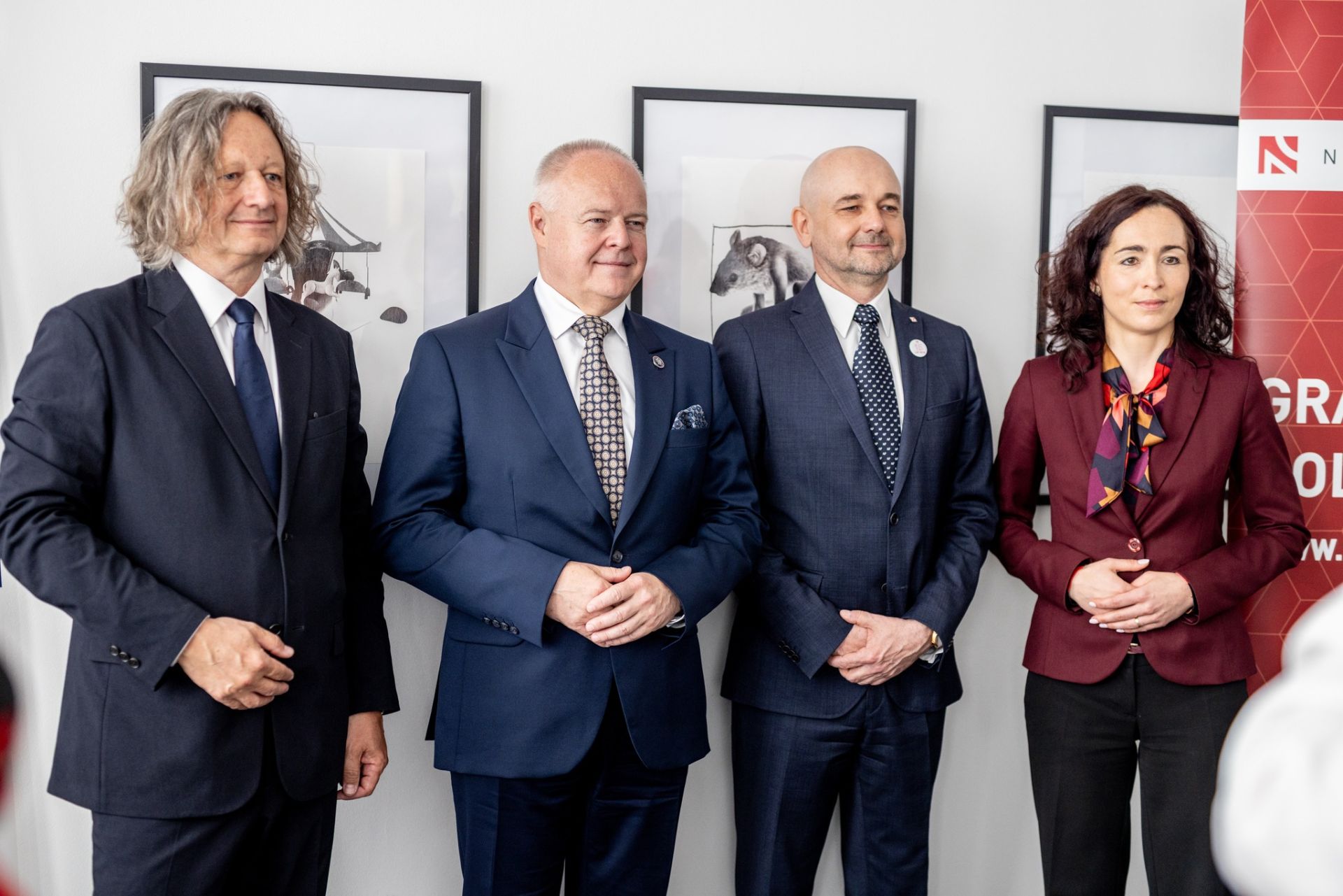 Prof. Ryszard Koziołek, Prof. Marek Gzik, Prof. Krzysztof Jóźwiak, Dr hab. Agnieszka Turska-Kawa, Prof. UŚ
The NCN Days are an event held on a regular annual basis in one of Poland’s academic cities. The event includes two days of meetings, discussions, workshops and training courses for researchers, research support professionals as well as students and PhD students interested in following an academic career.
Prof. Ryszard Koziołek, Prof. Marek Gzik, Prof. Krzysztof Jóźwiak, Dr hab. Agnieszka Turska-Kawa, Prof. UŚ
The NCN Days are an event held on a regular annual basis in one of Poland’s academic cities. The event includes two days of meetings, discussions, workshops and training courses for researchers, research support professionals as well as students and PhD students interested in following an academic career.
On 6 and 7 May, the National Science Centre symbolically relocated to Silesia at the invitation of the University of Silesia as the Leader of the Academic Consortium Katowice – City of Science, to talk about the past 15 years of NCN’s operation that has helped develop Poland’s grant culture, encourage the entire scientific community to participate in it and, consequently, support individual researches and research teams in conducting high- quality research.
“The National Science Centre has played an outstanding part in transforming the Polish academic landscape. Securing research funding has become one of the most important markers of research independence, stimulating the development of Poland’s scientific community. Thanks to the grant system, many researchers — particularly early-career researchers — have become independent. It has enabled talented early-career researchers to pursue their passions and ideals, allowing them to establish themselves as independent scientists much earlier than it would have been possible within the traditional system,” highlighted Prof. Ryszard Koziołek, Rector of the University of Silesia in his opening speech.
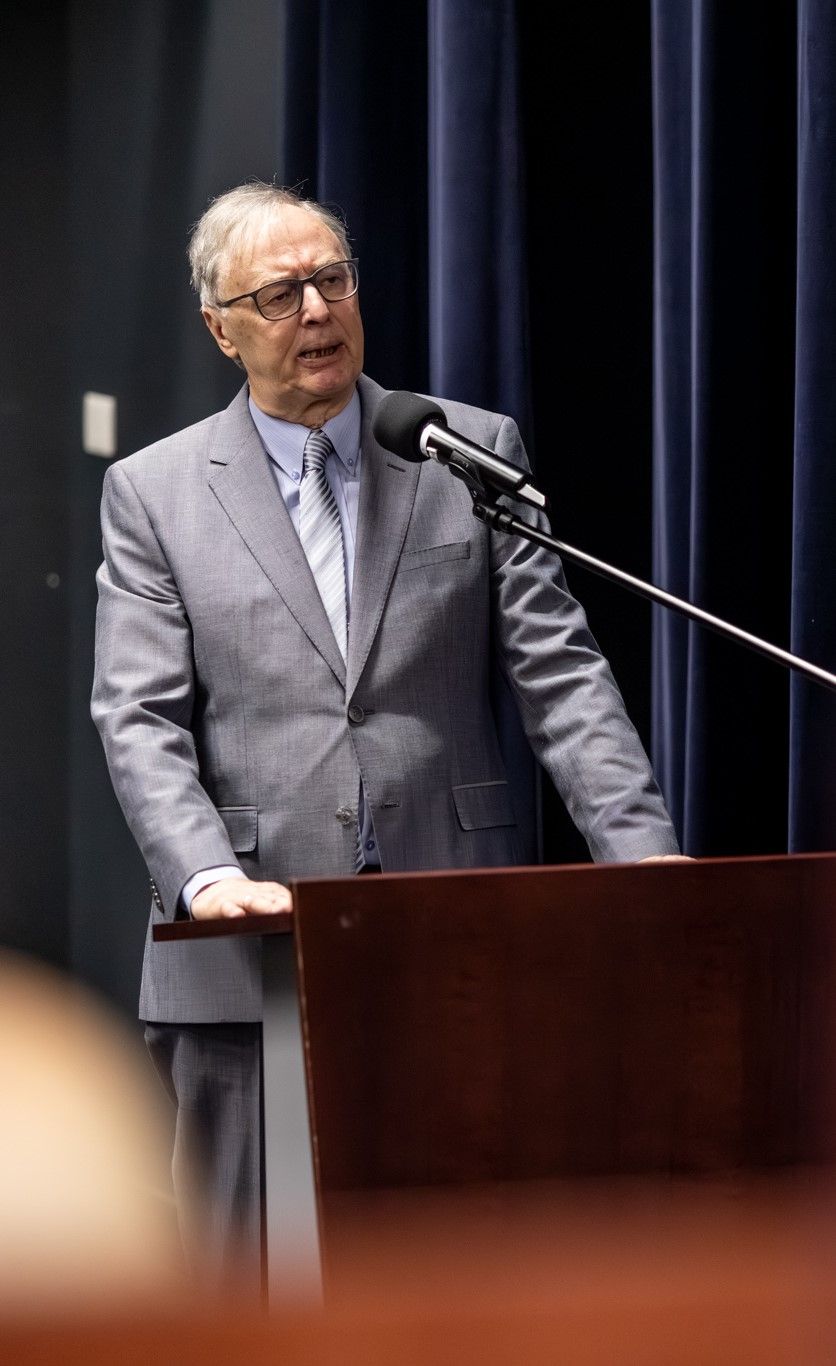 Prof. Tomasz Dietl during NCN Days 2026
At the opening ceremony, the Deputy Prime Minister for Science and Higher Education Prof. Marek Gzik talked about research funding and the restrictions faced by the current government due to public finance constraints. Research and development expenditure in Poland accounts for 1.1 percent of GDP, compared with European average of 2.2 percent, which, as he pointed out, is still lower than the level in many of the world’s leading economies. In view of the current geopolitical situation, public funds are primarily allocated to securing the state’s safety and technological sovereignty. Prof. Gzik declared that the Ministry is working to secure more funding for science in the state budget. “Your voice matters to us. We will listen carefully and work to ensure, at the government level, that investment in Polish science is regarded as an investment in the country’s development,” he stressed.
Prof. Tomasz Dietl during NCN Days 2026
At the opening ceremony, the Deputy Prime Minister for Science and Higher Education Prof. Marek Gzik talked about research funding and the restrictions faced by the current government due to public finance constraints. Research and development expenditure in Poland accounts for 1.1 percent of GDP, compared with European average of 2.2 percent, which, as he pointed out, is still lower than the level in many of the world’s leading economies. In view of the current geopolitical situation, public funds are primarily allocated to securing the state’s safety and technological sovereignty. Prof. Gzik declared that the Ministry is working to secure more funding for science in the state budget. “Your voice matters to us. We will listen carefully and work to ensure, at the government level, that investment in Polish science is regarded as an investment in the country’s development,” he stressed.
Prof. Tomasz Dietl, President of the NCN Council noted that in the light of the current social and geopolitical challenges, NCN actively seeks new financial opportunities, for example through its cooperation with the Ministry of National Defence, the National Centre for Research and Development and foreign partners under the EU or Norway grants. He highlighted that the grant system not only provides funding but also serves other, less obvious and yet equally important functions. “When developing a project, we start wondering what we want to do, who we want to cooperate with, what research we want to pursue and what equipment we need. Proposal drafting is a creative process that produces results even if we don’t get a grant.” He also addressed the idea of research plans and a clash between scientific creativity and administrative accountability. “New scientific discoveries — that often occur during the course of the project — must be the ultimate purpose. We must not be bound by a schedule. I encourage you to be brave and change your research plans,” Prof. Dietl emphasised.
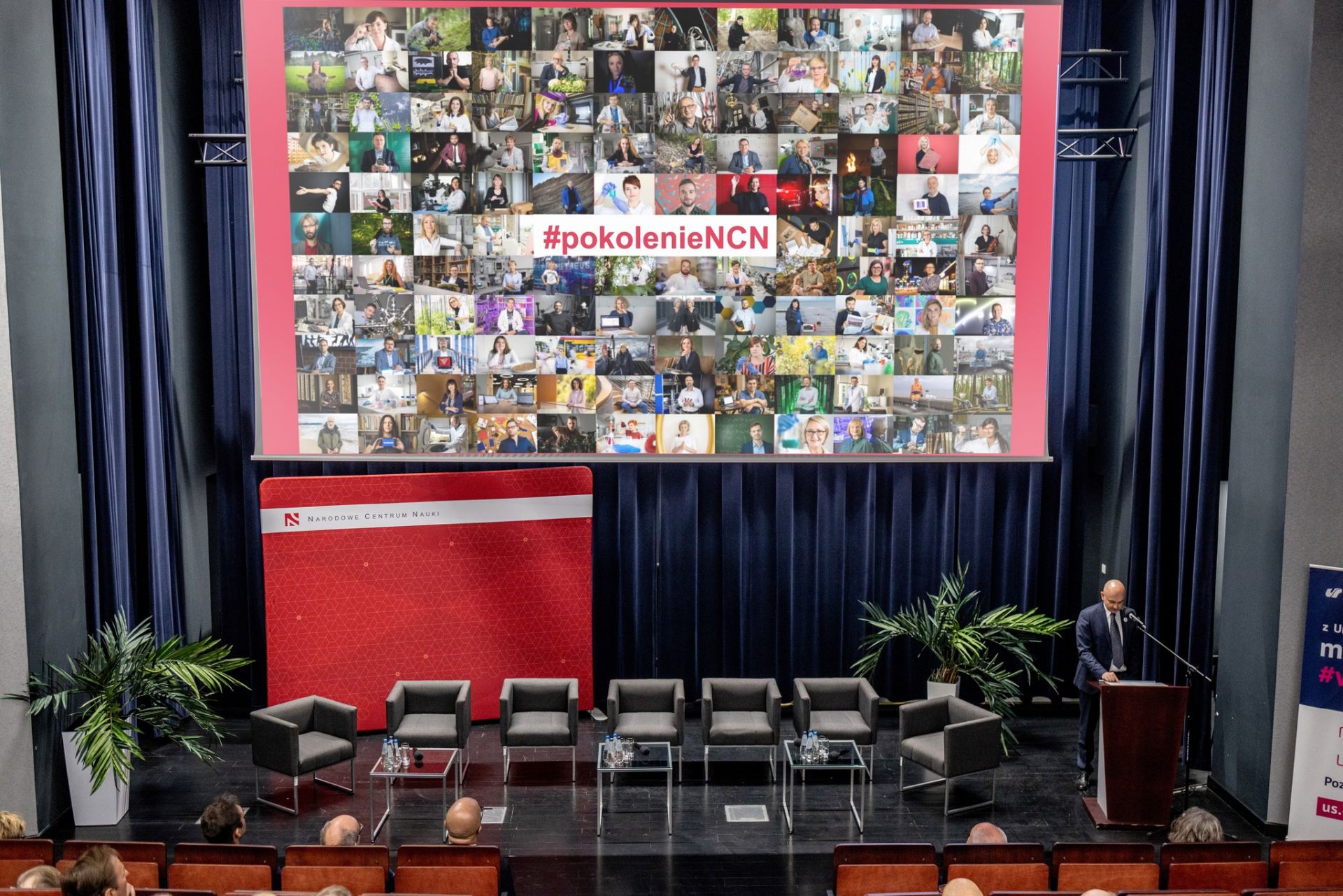 Prof. Krzysztof Jóźwiak during NCN Days 2026
The NCN Days 2026 were an opportunity to celebrate 15 years of NCN’s operation together with the scientific community of Silesia. The NCN Director Prof. Krzysztof Jóźwiak pointed out that the development of an effective grant system over these past 15 years was possible due to, inter alia, an independent peer-review. “We reward the most interesting ideas, the boldest hypotheses and the most advanced research methods,” he emphasised. The National Science Centre has already funded 34 thousand research projects with the value of nearly PLN 19.75 billion. Prof. Jóźwiak resorted to yet another standard: “For a few years now, the term “NCN Generation” has been used to describe a growing group of scientists who have established themselves as researchers under the wings of the National Science Centre, returned to Poland, formed their first research groups or strengthened their research positions. The term includes hundreds or even thousands of early-career researchers from universities, in research institutions or other institutes all over Poland, who represent various research disciplines. They already shape the most important research paths in Poland and will shape the landscape of Polish science in the future even more,” the NCN Director said.
Prof. Krzysztof Jóźwiak during NCN Days 2026
The NCN Days 2026 were an opportunity to celebrate 15 years of NCN’s operation together with the scientific community of Silesia. The NCN Director Prof. Krzysztof Jóźwiak pointed out that the development of an effective grant system over these past 15 years was possible due to, inter alia, an independent peer-review. “We reward the most interesting ideas, the boldest hypotheses and the most advanced research methods,” he emphasised. The National Science Centre has already funded 34 thousand research projects with the value of nearly PLN 19.75 billion. Prof. Jóźwiak resorted to yet another standard: “For a few years now, the term “NCN Generation” has been used to describe a growing group of scientists who have established themselves as researchers under the wings of the National Science Centre, returned to Poland, formed their first research groups or strengthened their research positions. The term includes hundreds or even thousands of early-career researchers from universities, in research institutions or other institutes all over Poland, who represent various research disciplines. They already shape the most important research paths in Poland and will shape the landscape of Polish science in the future even more,” the NCN Director said.
How to find one’s (right) research path?
The NCN Days provide an opportunity for joint discussions on the condition and needs of Polish science. The panel discussions brought together researchers and decision-makers to explore the challenges facing research in Poland, particularly in the context of public funding requirements and ethical challenges arising from ever-changing conditions and traps that put research integrity to test.
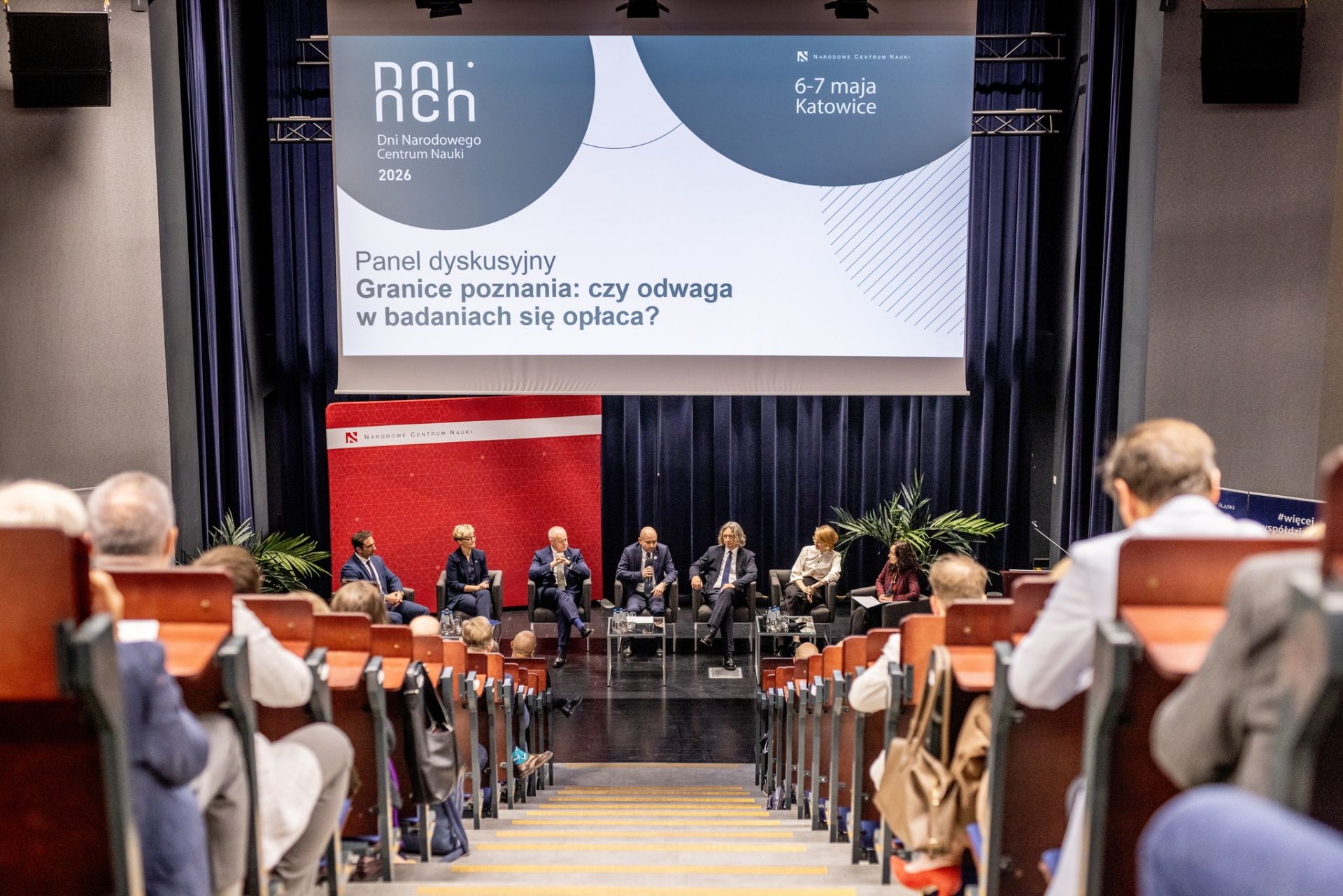 Discussion panel 1
Research career offers great opportunities for creativity. How to begin one’s research activity, gain experience, build a research network, seek new research ideas and carry out research and disseminate research findings according to the best practice – these topics were addressed at the event, along with the issue of researcher’s brand, brand building and micro decisions that may impact it.
Discussion panel 1
Research career offers great opportunities for creativity. How to begin one’s research activity, gain experience, build a research network, seek new research ideas and carry out research and disseminate research findings according to the best practice – these topics were addressed at the event, along with the issue of researcher’s brand, brand building and micro decisions that may impact it.
Panel participants pointed to the risks of accounting for research work based on scientific publications with a point-based evaluation system. The President of the NCN Council Prof. Tomasz Dietl, theoretical physicist identified two problems in today’s science – improper publication of research findings and problems with the repeatability and reproducibility of research. Participants in the panel discussion agreed that the research ethics is a “non-negotiable necessity.” Researchers should strive to have their research findings published in the journals where the leading researchers in their field publish to make a real contribution to the academic debate and, consequently, a journal’s score in the research evaluation system should not be the only factor in deciding where to publish. The discussions also addressed the issue of open access to publications and research data, which should be effectively incorporated into the research evaluation system.
Day-to-day operation of researchers in Poland
Research career depends on many different factors, such as scientific, research, teaching, and administrative responsibilities, as well as less obvious ones, such as those related to monitoring. To follow an academic path, one must be able to flexibly manage multiple dimensions of work and to balance one’s time and potential. Researchers in Poland operate in a challenging ecosystem on a daily basis. During the NCN Days 2026, it was noted that actions must be taken to protect their well-being. “We often forget that researchers are human beings with emotions, families and health needs. A life outside academia is a key factor in achieving success within academia. Researchers are, above all, human beings who can fulfil their mission to the best of their ability only when they are emotionally-balanced and healthy,” emphasised Prof. Ryszard Koziołek, Rector of the University of Silesia.
Current topics on the forum
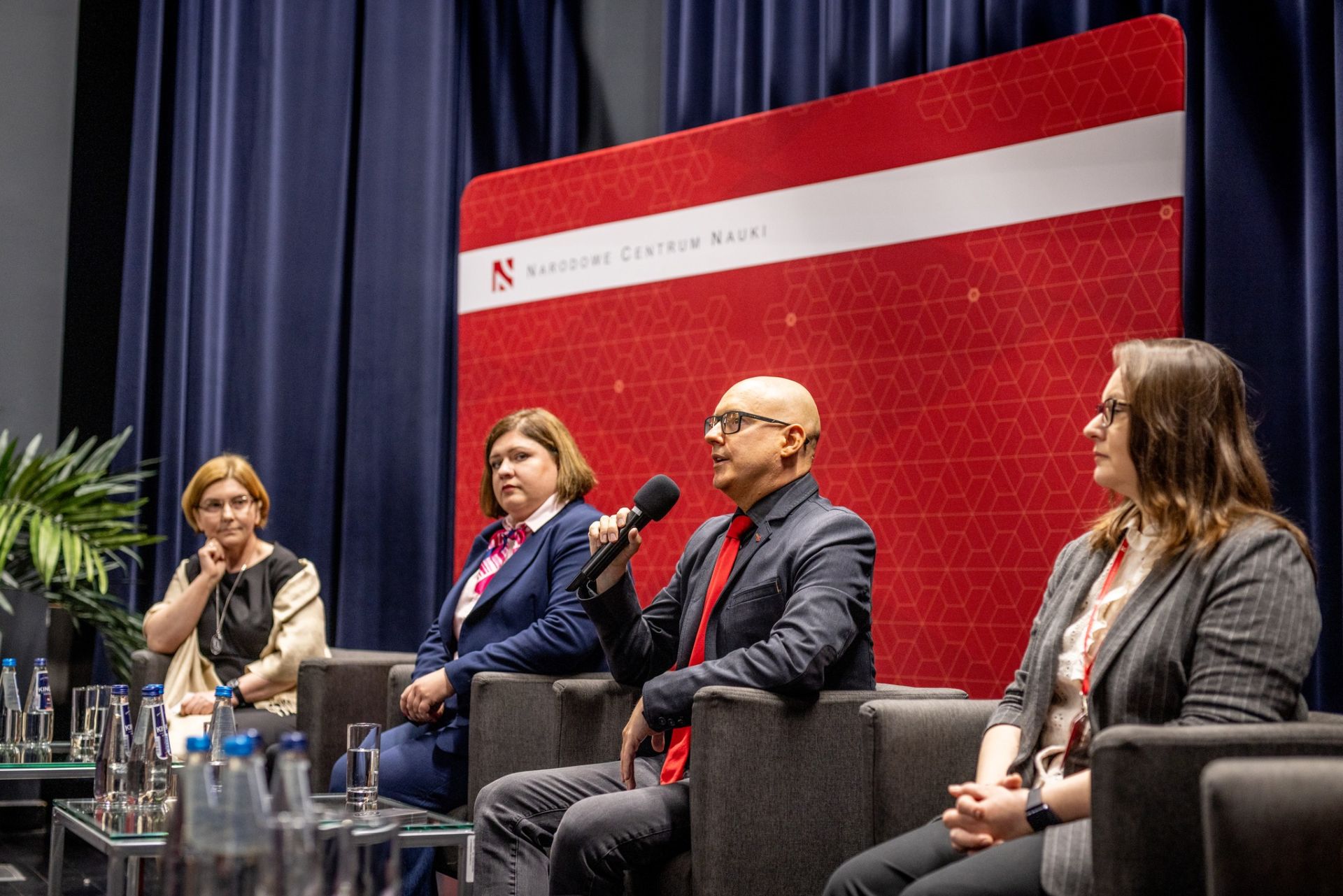 Meeting with NCN Council
The NCN Days 2026 in Silesia offered participants a behind-the-scene look at the work of the NCN Council. At the open meeting, NCN Council members discussed the issues they have addressed over the past few years. They emphasised the importance of basic research for the social and economic development and the national and global progress. Not only does basic research make it possible to cross boundaries and broaden research perspective, but it also identifies the niche areas that may, in a short or long term, become sources of new solutions.
Meeting with NCN Council
The NCN Days 2026 in Silesia offered participants a behind-the-scene look at the work of the NCN Council. At the open meeting, NCN Council members discussed the issues they have addressed over the past few years. They emphasised the importance of basic research for the social and economic development and the national and global progress. Not only does basic research make it possible to cross boundaries and broaden research perspective, but it also identifies the niche areas that may, in a short or long term, become sources of new solutions.
Interdisciplinary and transdisciplinary research was also addressed, as their number is increasing noticeably. NCN Council members explained the reasons for the modification of the NCN call portfolio, the evaluation procedure, project implementation and final settlement, as well as the terms of such modifications. Attendees had the opportunity to find answers to questions such as why expert reviews are mainly performed by foreign experts, what information is provided to applicants together with the decision to award or refuse funding, or when applicants are allowed to appeal against the decision.
Topics and attendees of panel discussions held during the NCN Days 2026
Practical dimensions of NCN Days 2026
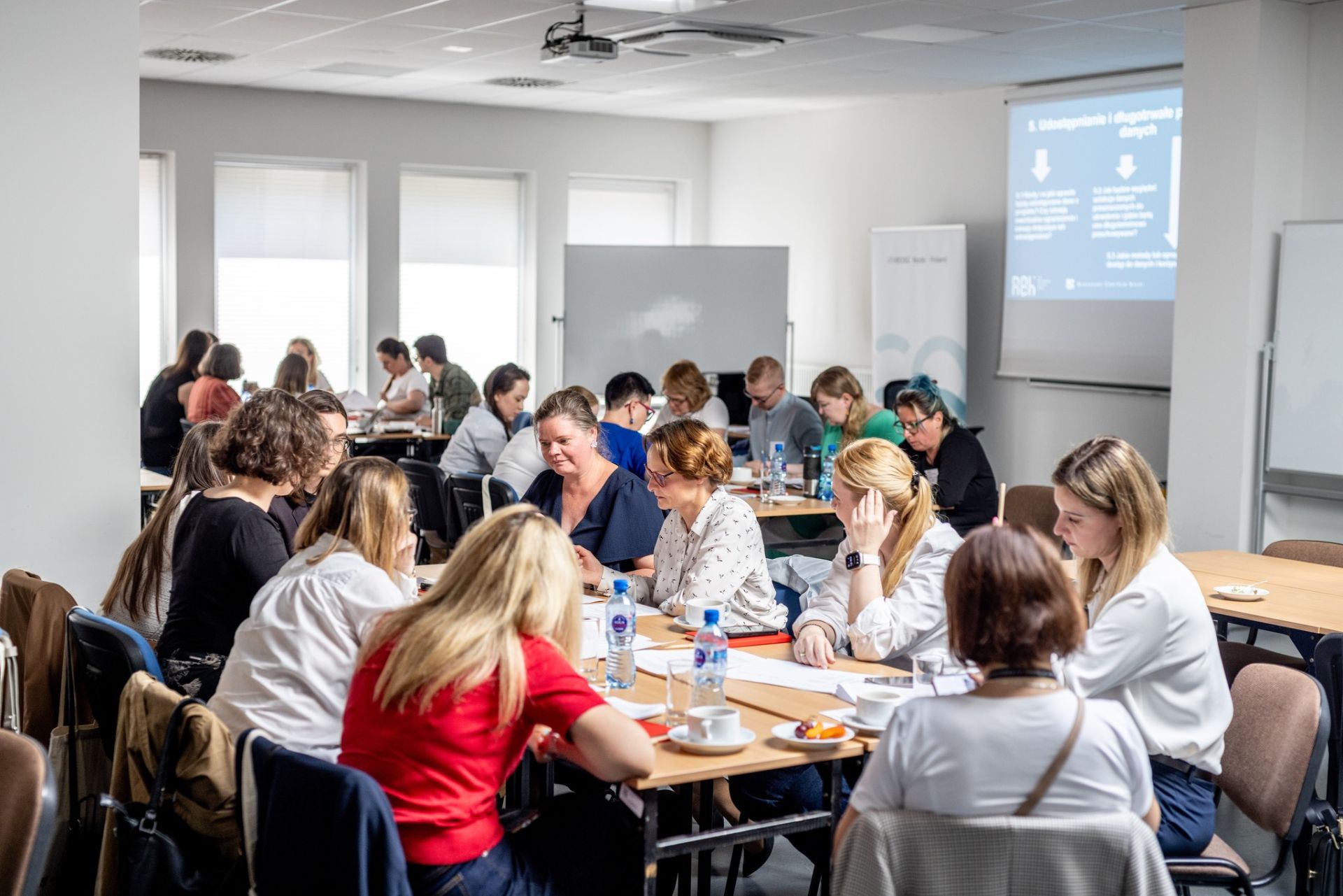 Workshops: Data Management Plan, NCN Days 2026
In addition of open debates, the NCN Days featured a record number of workshop sessions tailored to a variety of audiences. Four sessions were addressed to researchers intending to apply for NCN funding. They could assume the role of experts reviewing proposals and learn what is important when drafting their proposals. Two workshop sessions focused on data management plans, while during the other two, administration staff from research institutions learned about the research project cycle, from signing of the funding agreement to the project’s final settlement. The final workshop session addressed burnout in academia.
Workshops: Data Management Plan, NCN Days 2026
In addition of open debates, the NCN Days featured a record number of workshop sessions tailored to a variety of audiences. Four sessions were addressed to researchers intending to apply for NCN funding. They could assume the role of experts reviewing proposals and learn what is important when drafting their proposals. Two workshop sessions focused on data management plans, while during the other two, administration staff from research institutions learned about the research project cycle, from signing of the funding agreement to the project’s final settlement. The final workshop session addressed burnout in academia.
Organisers of NCN Days 2026
The NCN Days 2026 were co-organised by the University of Silesia as the Leader of the Academic Consortium Katowice – City of Science, associating seven public higher education institutions: Karol Szymanowski Academy of Music in Katowice, Academy of Fine Arts and Designs in Katowice, Academy of Physical Education in Katowice, University of Economics in Katowice, Silesian University of Technology, Medical University of Silesia and University of Silesia in Katowice.